AI UGC vs Real Creators: Which Should You Use in 2026?
An AI clip costs about $11 to generate; a filmed one starts at $29. The cost math, the platform AI-label rules, and the licence clauses that decide it.
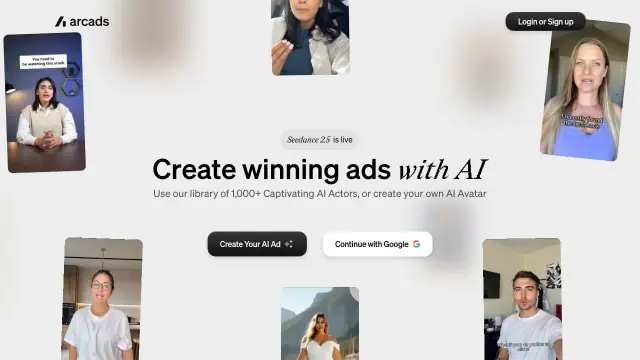
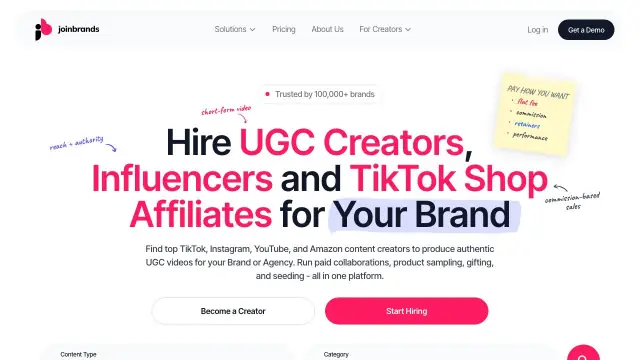
Generate a talking-head ad with Arcads and it costs about $11 — $110 a month for ten videos. Order the same thirty seconds from a real creator through JoinBrands and it costs about $29 all-in, or $89 at soona UGC. That is a 3–8x gap, not the order of magnitude the category likes to claim, and it narrows further once you count discards.
Which means cost is rarely the deciding factor. Three other things are: whether the product has to be visibly held, what the platform does to a synthetic ad, and what licence you actually walk away with.
The honest cost comparison
| AI UGC tools | Real creator marketplaces | |
|---|---|---|
| Entry price | $14.99/mo (Vidnoz) to $110/mo (Arcads) | $25/video + 15% fee (JoinBrands) to $325/video (Twirl, 4-video minimum) |
| What the entry tier buys | Credits, not videos — $19 at Shhots is about three ten-second clips; $110 at Arcads is ten | One briefed, filmed video |
| Marginal cost per extra clip | ~$6 to ~$11 | Full price again |
| Turnaround | Minutes | Days to weeks, plus shipping |
| Free trial | Most tools have one; Arcads and Poolday document neither | Rare |
Prices read from each platform's own pricing page or help center, verified 2026-09-02. Full spread across the 35 platforms that benchmark covers: UGC pricing benchmark.
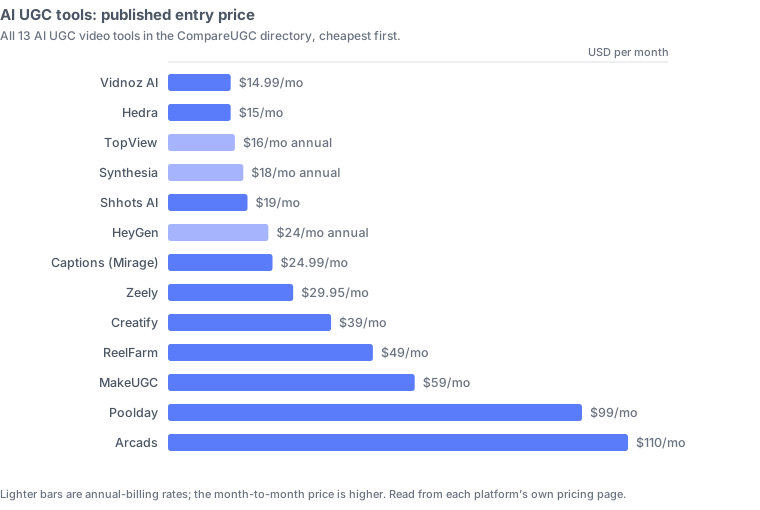
On cost per video AI wins. On cost per winning ad the answer depends entirely on hit rate, and that is the number nobody publishes. Ten AI variations that produce one usable hook cost $110 per winner — competitive with a single marketplace video. One filmed demo that converts at twice the rate is cheaper per acquisition than three synthetic ones at a third of the price. Neither claim is knowable in advance for your product, which is the real argument for running both.
What the platform label rules actually say
This is where most comparisons get it wrong, including an earlier version of this page. The two big ad platforms do not do the same thing.
TikTok requires the creator to label it. Its support documentation on AI-generated content (opens in a new tab) states that TikTok "require[s] creators to label all AI-generated content that contains realistic images, audio, and video," and defines AIGC to include "entirely AI-generated videos or images of real or fictional people" as well as real footage modified so that "the primary subjects are portrayed saying something they didn't say." An AI avatar reading your script is squarely inside that definition.
Meta labels it for you, automatically. Meta's business help center on AI info in ads (opens in a new tab) says it "will automatically apply an AI info label" when it detects an ad created or edited with generative AI — including third-party tools — using "industry-standard detection methods, such as C2PA" metadata. There is no advertiser disclosure form to fill in. There is also no opt-out, and the label appears under About this ad whether or not you expected it.
Practical consequence: on both platforms, assume the ad will carry an AI marker. Budget for that in creative testing rather than trying to avoid it. In regulated categories — skincare efficacy, supplements, financial services — a synthetic presenter making a claim is a compliance question before it is a performance question.
Checked 2026-09-07 against TikTok Support "About AI-generated content" and Meta Business Help Center "About AI info on ads created or edited with generative AI tools." Both policies change often; re-read before you rely on them.
Where AI UGC wins
- Hook testing at volume. Ten variations of the first three seconds, same script, different reads. This is the thing AI tools are built for and the thing creator workflows are worst at.
- Speed. Script to rendered video in minutes against days or weeks for briefing, shipping and delivery.
- No product seeding. Apps, SaaS and digital services never need anything in someone's hands. For a physical product, seeding is often the largest line item on a cheap video.
- Localisation. The same ad in eight languages without recruiting eight creators. Arcads publishes 30+ languages; Creatify publishes 75+.
Where real creators still win
- Anything the product has to survive being held. Texture, fit, scale, unboxing, how it actually behaves. AI still fails the close-up.
- Whitelisting and Spark-style ads. An ad that runs from a creator's own handle needs a creator who owns that handle. No synthetic route to it.
- Regulated claims. See above — the label plus a synthetic face plus an efficacy claim is a stack of risk.
- The version that carries the budget. The common pattern is AI finding the hook and a human re-shooting it for the always-on spend.
The licence question nobody checks
Both routes have a rights problem. They are different problems.
On the AI side, the risk is an undocumented or conditional licence. Of the AI tools in our directory, several publish clear commercial terms — Shhots includes a full commercial licence on every plan, Hedra and Vidnoz grant commercial use on all paid tiers, Synthesia and HeyGen include it on paid plans. Others do not: Captions/Mirage does not spell out commercial licensing on its public pages, and MakeUGC's exact licence terms are not on its pricing page.
Arcads is the instructive case. Its public pages document nothing, but our Arcads review found the terms: §13.3.1 grants a "non-exclusive, personal and non-transferable license on the Video." Non-transferable is the load-bearing word — an agency generating on its own account cannot cleanly hand that licence to the client whose product is in the ad. Creatify's §6.2 assigns you copyright but makes it revert on breach of the restrictions.
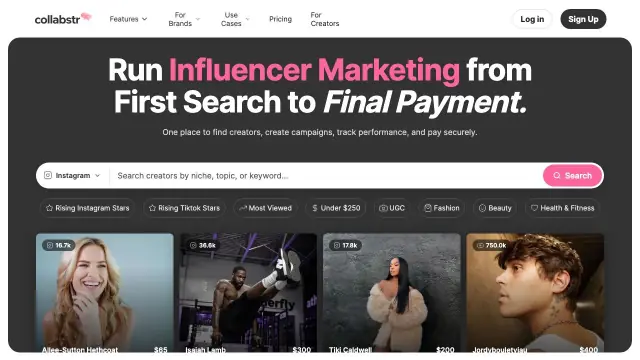
On the creator side, the risk is rights sold separately. soona UGC at $89 and Clip at $124 include unlimited worldwide perpetual rights in the price. Collabstr includes none by default — usage rights are negotiated with each creator, in chat, before the order starts, and the review-only default is what catches people out. The full clause comparison across 14 platforms is in UGC usage rights.
The asymmetry that matters: a marketplace rights gap is a line item you can buy your way out of. An AI licence gap is a contract you cannot renegotiate after the ad is live.
A practical framework
- Testing budget under $500? Start with an AI tool's entry plan, and read its commercial-use terms before the first render. Kill it if nothing hits after about 50 variations.
- Physical product where texture or fit matters? Marketplace creators first. The product has to be in real hands.
- App or digital service? AI first, creators later for social proof.
- Agency delivering owned creative to a client? Check transferability before you pick the tool. This eliminates some AI options outright.
- Regulated category? Real creators, and get legal to read the script.
- Scaling a proven winner? Re-shoot with a real creator and buy proper rights — the rate calculator prices that.
The hybrid playbook
The pattern we see most in 2026: AI for iteration, humans for amplification. Generate 30 AI variations, find the two hooks that beat control, brief real creators on exactly those hooks, run the human versions as the always-on spend. You pay creator rates only for concepts that already earned them.
The budget math for both routes is in how much UGC costs. Browse each category with verified pricing: AI UGC video generators and UGC creator marketplaces.
Sources consulted
as of 2026-09-20- support.tiktok.com (opens in a new tab)
- facebook.com (opens in a new tab)
- arcads.ai (opens in a new tab)
- creatify.ai (opens in a new tab)
- vidnoz.com (opens in a new tab)
- hedra.com (opens in a new tab)
- shhots.ai (opens in a new tab)
- joinbrands.com (opens in a new tab)
- soona.co (opens in a new tab)
- collabstr.com (opens in a new tab)